
There are few places in the world where history feels as immediate as it does in Egypt. Along the Nile River, ancient temples, towering statues and centuries-old tombs appear against a landscape that has changed remarkably little over thousands of years. With AmaWaterways’ Secrets of Egypt & the Nile, travelers can experience many of Egypt’s most iconic sites while moving through the country at the pace of the river itself.
The 11-night Cairo-to-Cairo journey combines three nights in Cairo, a seven-night roundtrip Nile River cruise from Luxor and a final night in Cairo. Along the way, guests explore the pyramids of Giza, the Great Sphinx, the Valley of the Kings and Queens, the temples of Luxor, Edfu, Kom Ombo and Philae, with opportunities to experience Nubian culture and even venture farther south to Abu Simbel.
For travelers who have dreamed of seeing Egypt beyond a quick visit to the pyramids, this itinerary offers something different: a journey that connects the country’s most famous archaeological treasures with the river that has shaped Egyptian civilization for millennia.
Days 1–3: Discovering Cairo
The adventure begins in Cairo, where an AmaWaterways representative meets arriving guests and assists with luggage and the customs and immigration process before transferring them to their hotel.
On the second day, the focus turns to some of Egypt’s greatest treasures. Guests visit the Grand Egyptian Museum, which opened to the public in 2025 and houses an enormous collection of ancient Egyptian artifacts, including the treasures of Tutankhamun. The museum offers a modern introduction to the civilization travelers will spend the rest of the journey exploring.
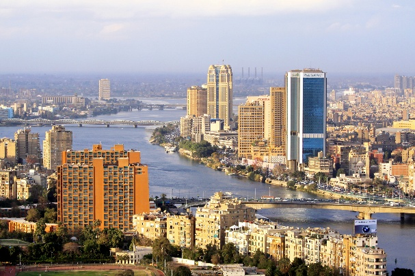
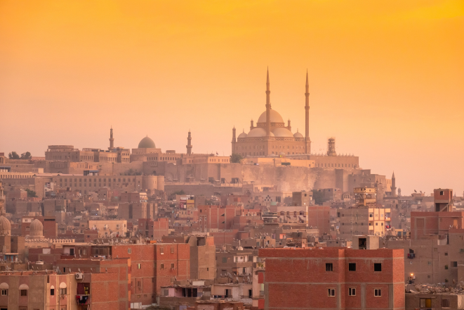
After lunch, the itinerary continues to the Alabaster Mosque, also known as the Mosque of Muhammad Ali, located within Cairo’s historic Citadel of Saladin. From its elevated position, travelers can take in sweeping views across Cairo toward the pyramids. The evening concludes with an AmaWaterways Welcome Reception.
Day three heads outside Cairo to the ancient city of Memphis and the necropolis of Sakkara. Here, travelers encounter the colossal statue of Ramses II, the Alabaster Sphinx and the famous Step Pyramid of King Zoser.
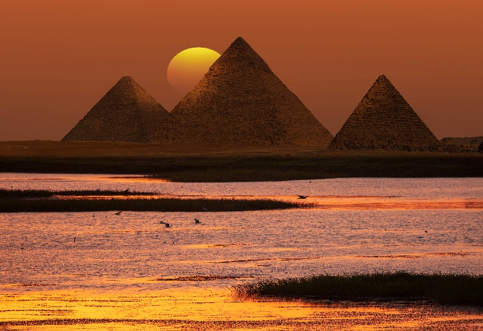
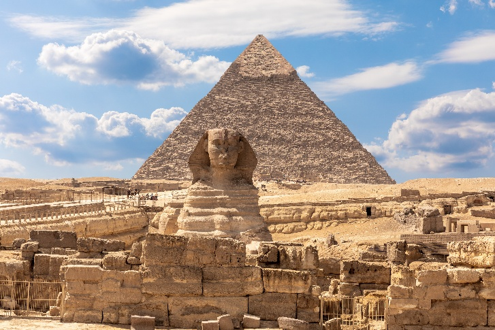
Then comes one of the most anticipated moments of the entire trip: the Pyramids of Giza and the Great Sphinx. The three pyramids have stood for thousands of years, making this one of those travel experiences that is difficult to fully appreciate until you are standing directly in front of them. The day also includes lunch at the historic Mena House, located in the shadow of the pyramids, followed by free time in Cairo.
Day 4: From Cairo to Luxor
Before leaving Cairo, guests visit Coptic Cairo, an area known for its historic churches and monasteries. From there, a flight takes travelers south to Luxor, the ancient city once known as Thebes and a major center of power during Egypt’s New Kingdom.
Luxor is home to some of the country’s most significant temples and archaeological sites, and it becomes the starting point for the Nile cruise. After boarding the river ship, guests have time to settle in, meet the crew and enjoy a Captain’s Welcome Cocktail before dinner.
This transition is one of the itinerary’s most appealing elements. Rather than spending the entire trip moving between hotels and buses, travelers now have a comfortable home on the Nile while continuing their exploration of Egypt.
Day 5: The Valley of the Kings and Queens
Few places capture the mystery of ancient Egypt quite like Luxor’s Valley of the Kings and Valley of the Queens.
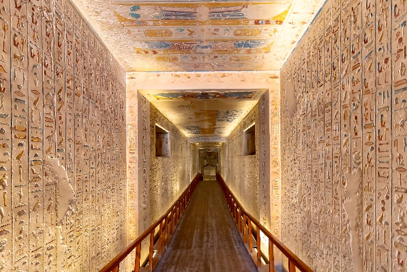
The itinerary begins with the Valley of the Queens before continuing to the Valley of the Kings, where elaborately decorated tombs were carved into the desert cliffs for ancient Egyptian rulers. Guests can see the tomb of King Tutankhamun, where his mummified remains remain on display.
The journey also includes rare access to the tomb of Seti I. AmaWaterways notes that Queen Nefertari’s Tomb has been temporarily closed, with Seti I’s Tomb serving as the alternative until it reopens.
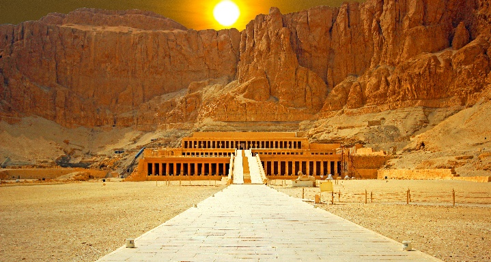
The day continues to the Temple of Hatshepsut, dedicated to one of Egypt’s most powerful female pharaohs, followed by a stop at the enormous Colossi of Memnon.
After a full day exploring ancient sites, travelers return to the ship. Those who want a slower-paced afternoon can relax on the Upper Deck and watch the Nile scenery pass by, while guests interested in food can participate in an informal cooking class with the chef.
Day 6: Edfu and the Temple of Horus
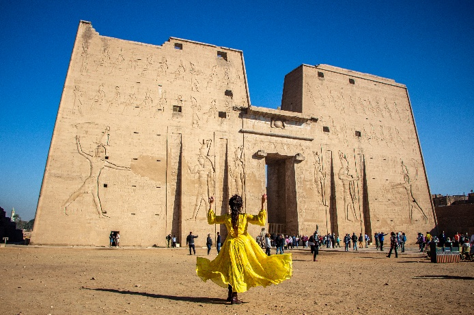
The ship continues south toward Edfu, home to the remarkably preserved Temple of Horus.
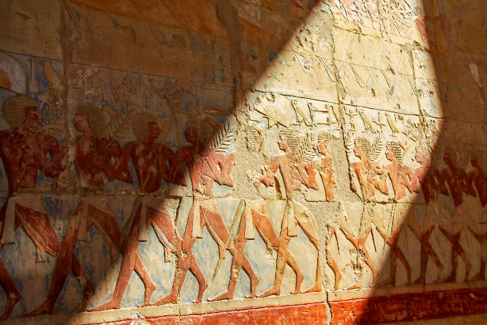
Dedicated to the falcon-headed god Horus, the temple dates to Egypt’s Greco-Roman period and was constructed in 230 BC. Its enormous walls and detailed inscriptions offer a glimpse into the religious traditions and language of ancient Egypt.
After exploring Edfu, guests return to the ship and continue sailing toward Aswan. This is where the river cruise experience really comes into focus. Instead of constantly packing and unpacking, travelers can settle into the rhythm of the Nile—watching villages, farmland and desert landscapes move slowly past from the comfort of the ship.
Day 7: Aswan, Abu Simbel and a Felucca Ride
Aswan brings one of the itinerary’s biggest choices.
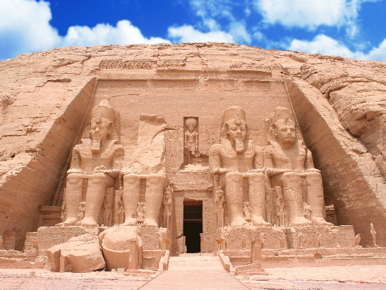
Guests can enjoy a free morning in the city or book the optional excursion to one of Egypt’s most extraordinary archaeological sites. The excursion includes an early morning flight over Lake Nasser to the temples built for Ramses II and Queen Nefertari more than 3,000 years ago. The main temple is famous for its four enormous seated statues of Ramses II, each nearly 70 feet tall.
Back in Aswan, the itinerary slows down with a traditional felucca ride around Elephantine Island. These distinctive Egyptian sailboats offer a peaceful way to experience the Nile, particularly after a morning spent exploring monumental temples.
Travelers can also choose an optional afternoon tea at the historic Old Cataract Hotel, a 19th-century Victorian palace overlooking the Nile and Elephantine Island. The evening continues onboard with traditional folkloric-style belly dancing, giving guests a chance to experience another side of Egyptian culture beyond its ancient monuments
Day 8: Nubian Culture, Philae and Kom Ombo
Day eight brings several completely different experiences together.
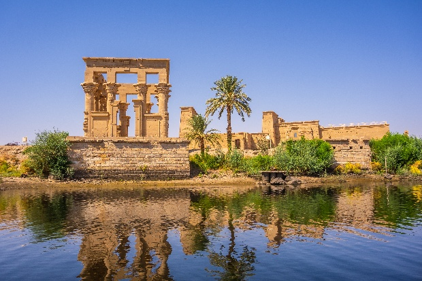
Guests first travel by motorboat to the Philae Temple complex, dedicated to the goddess Isis. The temple is particularly impressive for its preserved hieroglyphs and setting surrounded by the waters of the Nile.
From there, the itinerary continues to a colorful Nubian village on Hisa Island. Travelers have the opportunity to meet members of the local Nubian community and experience a culture with its own distinctive traditions, architecture and history.
Later, the ship sails toward Kom Ombo, home to one of Egypt’s most unusual temples. Unlike many temples dedicated to a single deity, the Great Temple of Kom Ombo honors two: Sobek, the crocodile god, and Horus the Elder, also known as Haroeris.
The evening offers another cultural experience onboard with a traditional Galabeya celebration, during which guests can dress in traditional Egyptian attire and celebrate the culture of the Nile Valley.
Day 9: The Temples of Luxor
After sailing back toward Luxor, travelers spend the morning cruising along the Nile before visiting Karnak Temple, one of the largest religious complexes in the world.
Karnak is massive, covering roughly 200 acres and containing an extraordinary collection of columns, obelisks, sphinxes, hieroglyphics and monuments. Its Great Hypostyle Hall is particularly impressive, with 134 colossal columns.
The experience continues with a look at the ancient Egyptian art of papyrus making. Guests can learn how the papyrus plant was used for everything from sails and cloth to the writing material that helped preserve ancient Egyptian history.
Later, travelers visit , another of the city’s iconic landmarks. For those who want to experience modern Luxor as well, there is an optional visit to the local market, where stalls filled with spices, jewelry, clothing, incense and perfumes provide a glimpse into everyday life.
Day 10: Dendara and the Temple of Hathor
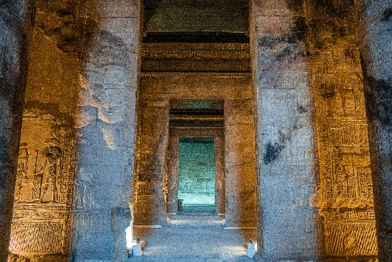
The final full day of sightseeing takes travelers north to Qena and the Temple of Hathor at Dendara.
Dedicated to Hathor, the ancient Egyptian goddess associated with love, motherhood and joy, the temple is considered one of the best-preserved temples in Egypt. The complex also contains a famous relief depicting Cleopatra and her son Caesarion.
After exploring Dendara, guests sail back toward Luxor, giving them one final opportunity to enjoy the Nile from the ship.
Day 11: A Presidential Palace and a Farewell to Egypt
The final day begins with disembarkation in Luxor before a flight returns guests to Cairo.
But the journey is not quite over.
Travelers receive an exclusive private tour of Abdeen Presidential Palace, one of Cairo’s most important historic palaces. The palace contains several museums, including collections devoted to silver, arms, the royal family, presidential gifts and historical documents.
The experience concludes with a special lunch at the palace before guests spend their final night in Cairo.
Day 12 is departure day, with travelers leaving Cairo and heading home after an itinerary filled with thousands of years of history.
What Is the Onboard Experience Like?
One of the biggest advantages of experiencing Egypt by river cruise is the ability to make the ship part of the journey rather than simply using it as transportation.
AmaWaterways operates several purpose-built ships on the Nile, including the AmaDahlia and AmaLilia. The AmaDahlia accommodates 72 guests, while the AmaLilia accommodates 82, creating a more intimate atmosphere than a large ocean cruise ship. AmaWaterways also lists the new AmaNubia, scheduled to arrive on the Nile in November 2026, with space for 76 guests.
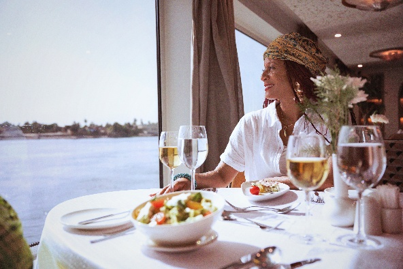
Onboard, the experience is designed around comfort, dining and relaxation between excursions. Travelers can enjoy meals onboard, spend time on the Sun Deck taking in the scenery, participate in cultural activities and entertainment, or simply watch the Nile landscape unfold.
The itinerary also incorporates experiences directly into the cruise itself. Guests can take part in cooking activities, enjoy traditional entertainment and participate in cultural celebrations such as the Galabeya evening.
And perhaps most importantly, the ship provides a consistent base during the seven-night cruise portion. After long days exploring temples and tombs, guests can return to the same stateroom, enjoy dinner and relax while the ship continues down the Nile.